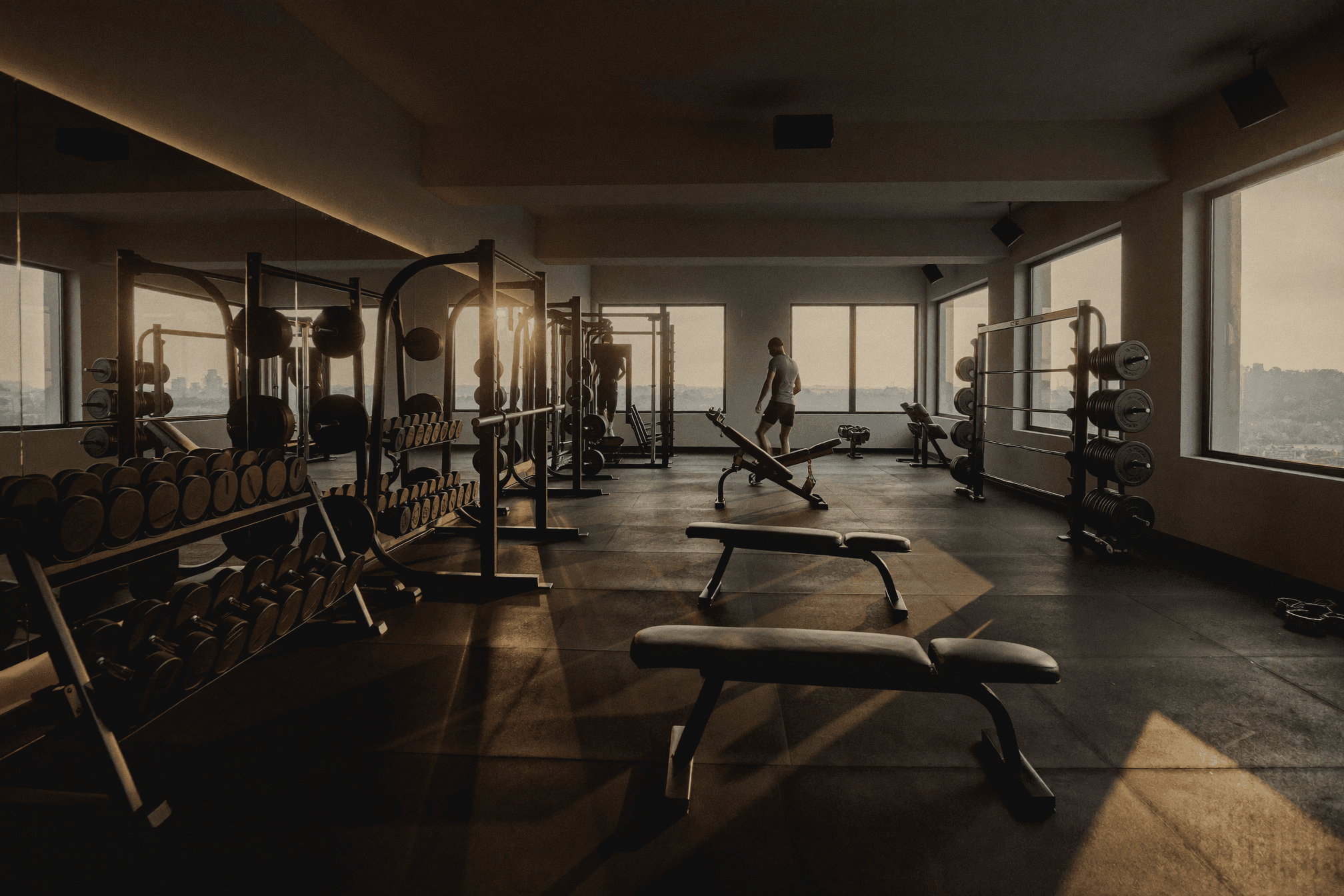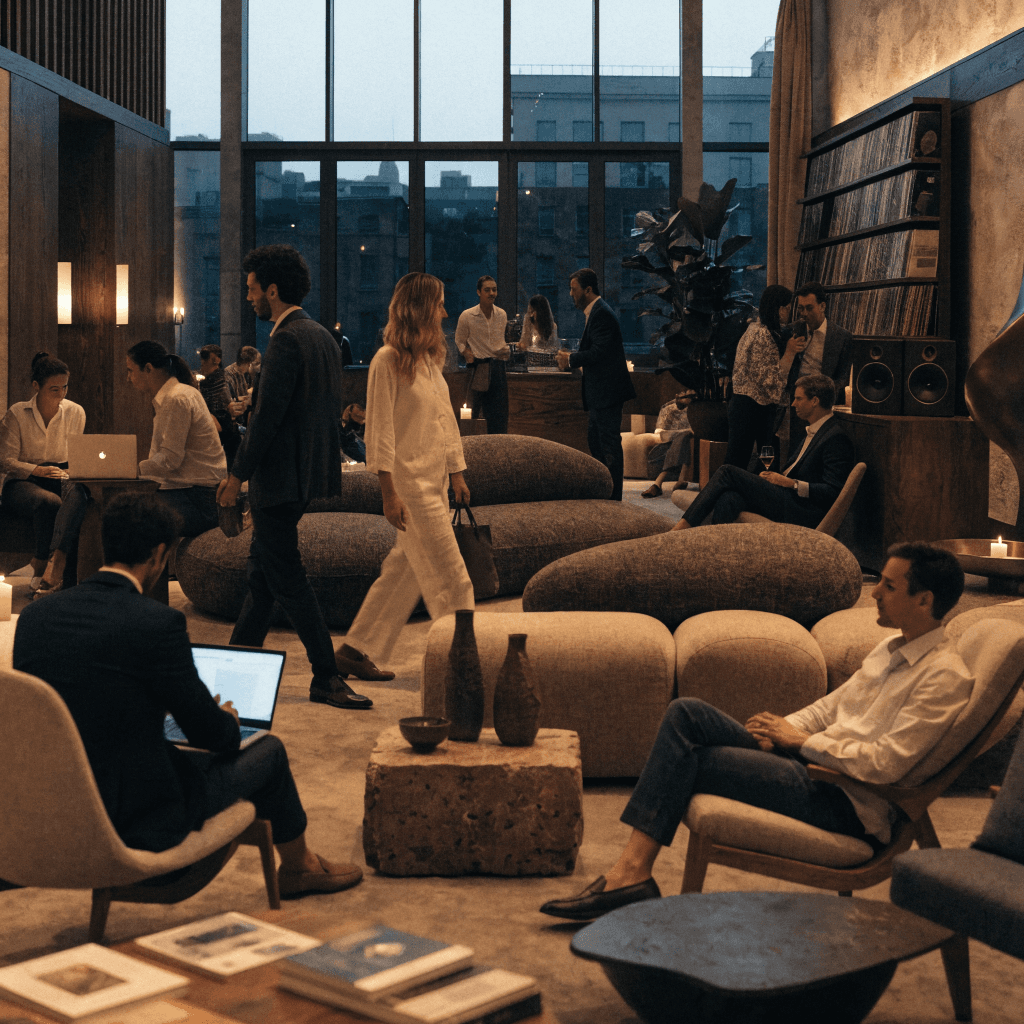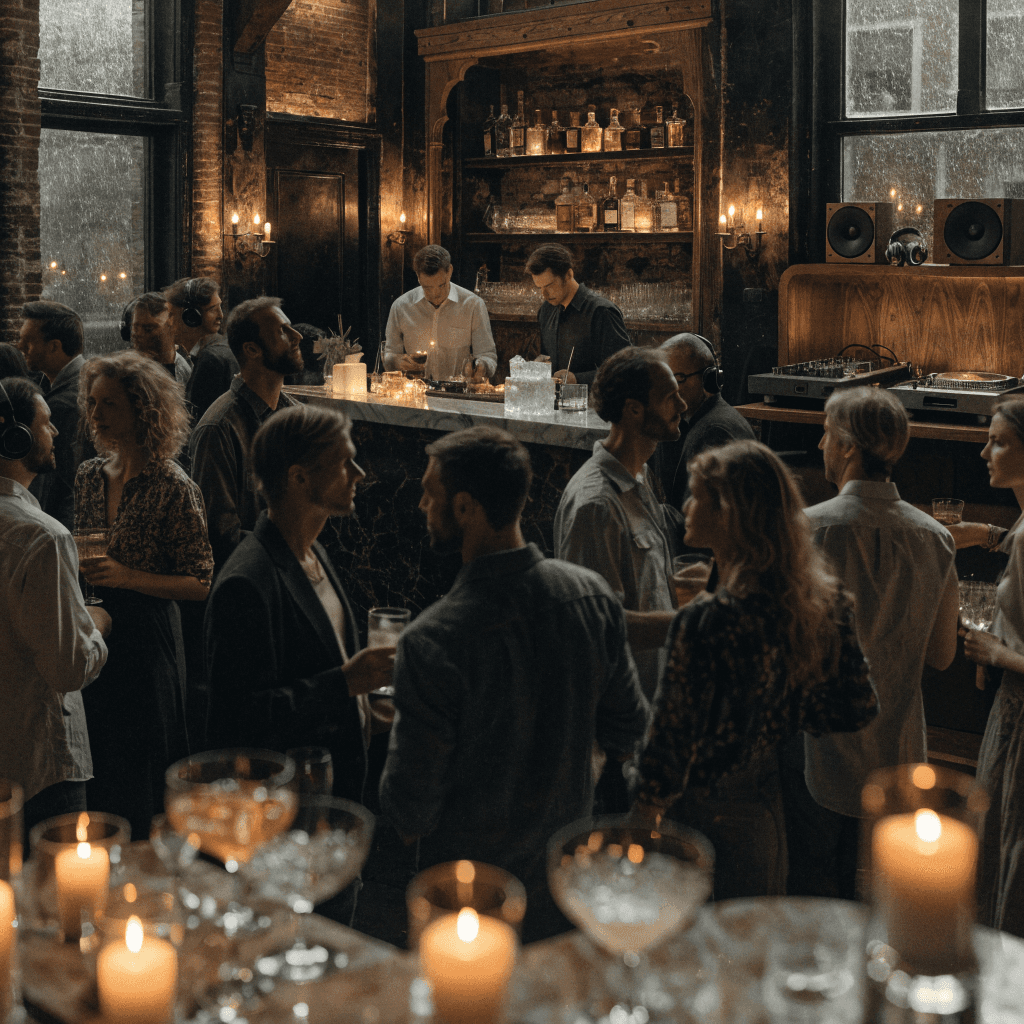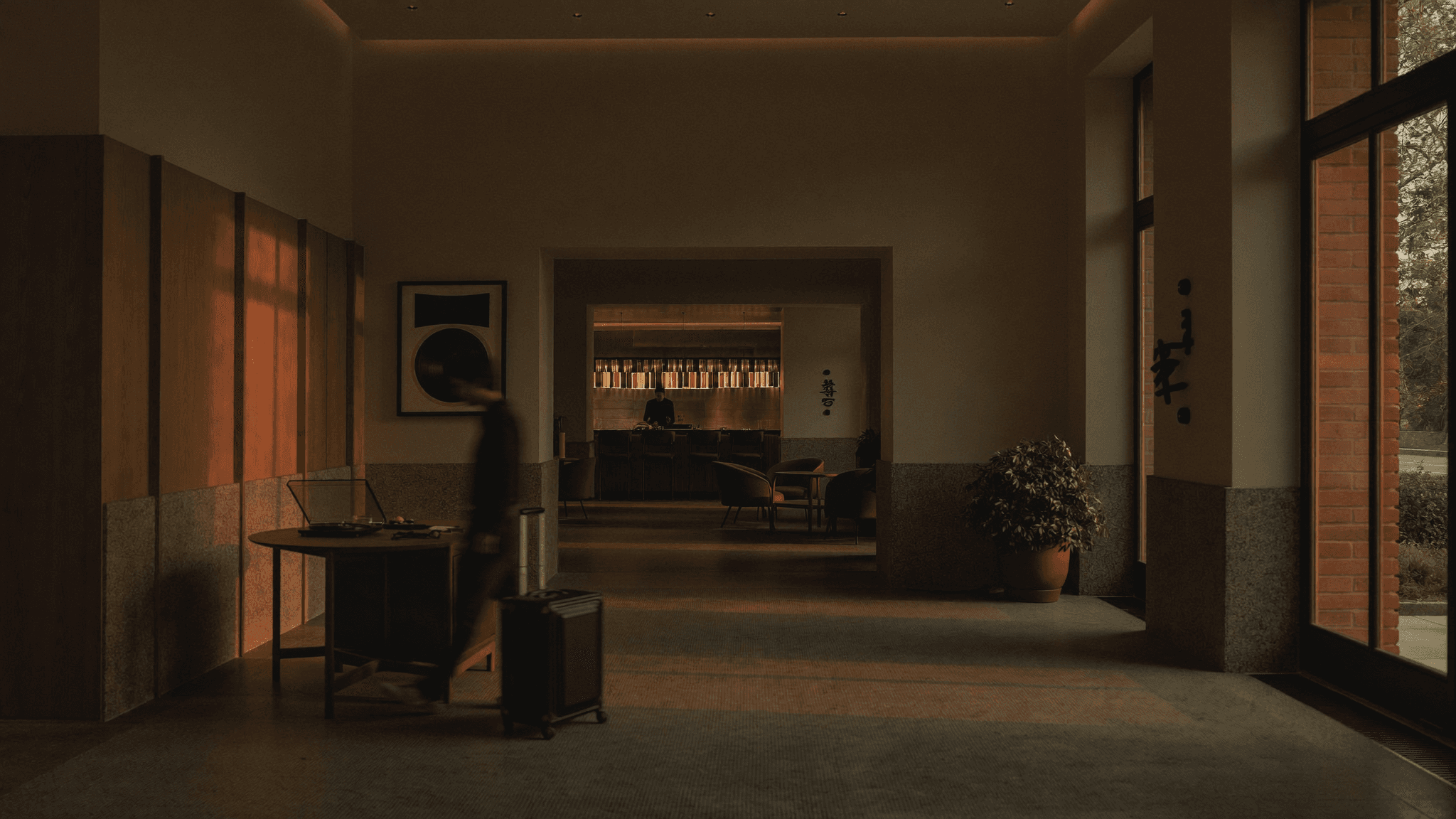
A guest's first thirty seconds in a hotel lobby are dense with information: the light, the scent, the pace of staff moving through the space — and, quietly underneath all of it, the music. Guests rarely notice a lobby soundtrack consciously. They register the mood it creates immediately.
That's the paradox at the centre of music curation for hotels: the work is most successful when it's least noticed, yet it's doing real work on how premium, calm or energetic a property feels the moment someone walks in.
The lobby is not one moment
A property's lobby serves completely different guests across a single day — early arrivals moving through with luggage, a lunchtime lull, a check-in rush, a lobby-bar crowd settling in for the evening. A single playlist on shuffle treats all of these as the same moment. They aren't. Dayparted curation matches tempo and energy to who is actually standing in the room.
Consistency across the property
Many hotels run different, disconnected music in the lobby, the restaurant, the bar and the spa — each chosen independently, sometimes by different teams. Guests feel the seams even if they can't name them. A coherent sonic identity, adapted room to room but recognisably the same brand, does for sound what a consistent interior language does for design.
Music as a design material
The strongest hotel brands already treat lighting, scent and interiors as deliberate design decisions. Sound deserves the same discipline. Left unmanaged, it becomes background noise at best and a quiet inconsistency at worst — the one guest-facing detail that wasn't considered as carefully as everything else.
Done well, a guest never mentions the music in a review. They just remember how the place felt — and can't quite say why.